Antioxidant Power Bowl

Ethan Sullivan
| 15-05-2026

An acai bowl stands out as a refreshing and nutrient-rich option that feels both light and satisfying. Known for its deep purple color and naturally smooth texture, acai blends easily with fruits and toppings to create a balanced and flexible meal.
For Lykkers who enjoy simple recipes with room for creativity, this guide offers a practical way to build your own acai bowl at home. You will start with a reliable base and then explore how to shape it into something that fits your taste and daily rhythm. The focus stays on ease, freshness, and enjoyment rather than strict rules.
Build Your Acai Base
Before exploring creative toppings, it helps to understand how the base of an acai bowl comes together. This section gives you a simple structure so you can create a smooth and balanced blend every time.
Can a simple jar of oats transform your mornings effortlessly?
Can one pasta dish match your mood every single day?
Can a simple chia drink refresh your body and mood instantly?
Can three seafood favorites turn into one unforgettable homemade dish?
A Mediterranean-inspired dish with crispy chicken and vibrant vegetables.
A Quick, Flavorful Appetizer Packed with Fresh Ingredients
Ingredients You Will Need
Preparing everything first makes the process feel effortless.
Frozen acai puree – 200 grams
Frozen banana – 1 medium
Frozen blueberries – half cup
Milk – half cup
Honey – 1 tablespoon
Granola – half cup
Fresh strawberries sliced – half cup
Chia seeds – 1 tablespoon
These quantities create one generous serving with a thick and creamy texture.
Step-by-Step Preparation
- Start by adding the frozen acai puree, frozen banana, and frozen blueberries into a blender. The frozen ingredients help create a thick base without needing extra ice.
- Add milk gradually to help the mixture blend smoothly. You can adjust the amount depending on how thick you want the final texture.
- Add honey for a gentle sweetness that balances the natural tartness of the acai and berries.
- Blend until the mixture becomes smooth and thick. You may need to pause and stir slightly to help everything combine evenly.
- Pour the blended acai mixture into a bowl, spreading it evenly to create a flat surface for toppings.
- Add granola, sliced strawberries, and chia seeds on top. Arrange them in a way that feels visually satisfying and easy to eat.
Getting the Texture Right
If the mixture feels too thick, adding a small amount of milk helps loosen it. If it feels too thin, adding more frozen fruit brings back the creamy consistency. The goal is a texture that holds toppings without becoming runny.
Shape Your Bowl Experience
Once you are comfortable with the base, an acai bowl becomes a flexible canvas. This part helps you adjust flavors, textures, and presentation so each bowl feels new without changing the core method.
Flavor Combinations to Explore
You can easily change the overall taste by switching fruits. Adding mango creates a smoother and slightly sweeter profile, while raspberries introduce a brighter and slightly tangy note.
If you prefer a more neutral base, reducing the berries and focusing on banana can create a softer flavor that pairs well with a variety of toppings.
Texture Layers That Matter
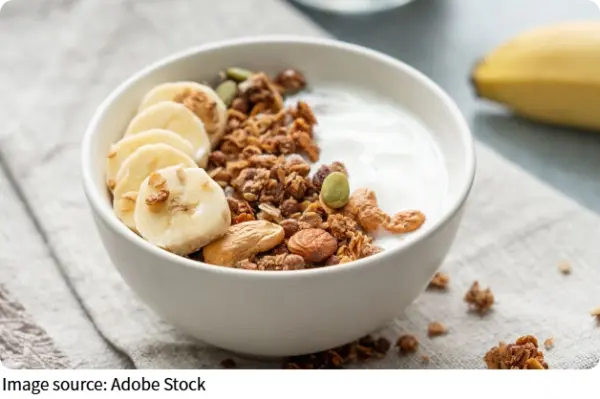
Texture plays a big role in how the bowl feels. The base is smooth and creamy, so adding crunchy elements like granola or seeds creates contrast.
You might also include soft fruits like banana slices or kiwi for a layered experience. Each bite can feel slightly different depending on how you combine these elements.
Presentation and Visual Balance
An acai bowl often feels more enjoyable when it looks inviting. You can arrange toppings in simple lines or small sections instead of mixing everything together. This keeps the colors clear and makes the bowl visually appealing.
Using a wide bowl also helps spread the toppings evenly, making it easier to enjoy each part without everything blending too quickly.
Fitting Into Your Routine
This bowl can adapt to different parts of your day. In the morning, it works as a refreshing start that feels light yet filling. In the afternoon, it becomes a quick way to recharge without feeling heavy.
Because it is quick to prepare once you have the ingredients ready, it fits easily into both busy and relaxed schedules.
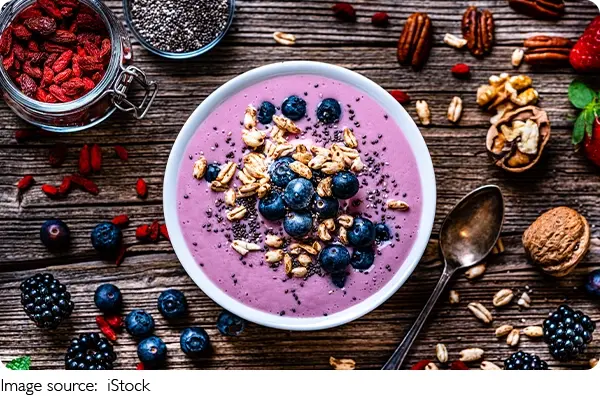
An acai bowl offers a simple yet flexible way to enjoy a refreshing and satisfying meal. By blending frozen acai with fruit and adding a variety of toppings, you create a balanced combination of texture and flavor. What makes this guide valuable is its adaptability—you can adjust ingredients, textures, and presentation based on your preferences without adding complexity. As you experiment with small changes, each bowl becomes more personal and enjoyable. With a relaxed approach and a few fresh ingredients, you can turn a simple idea into a vibrant and meaningful part of your daily routine.